

8/7/2026
Built Over Time: Two Cabins and a Forgotten Mining Site
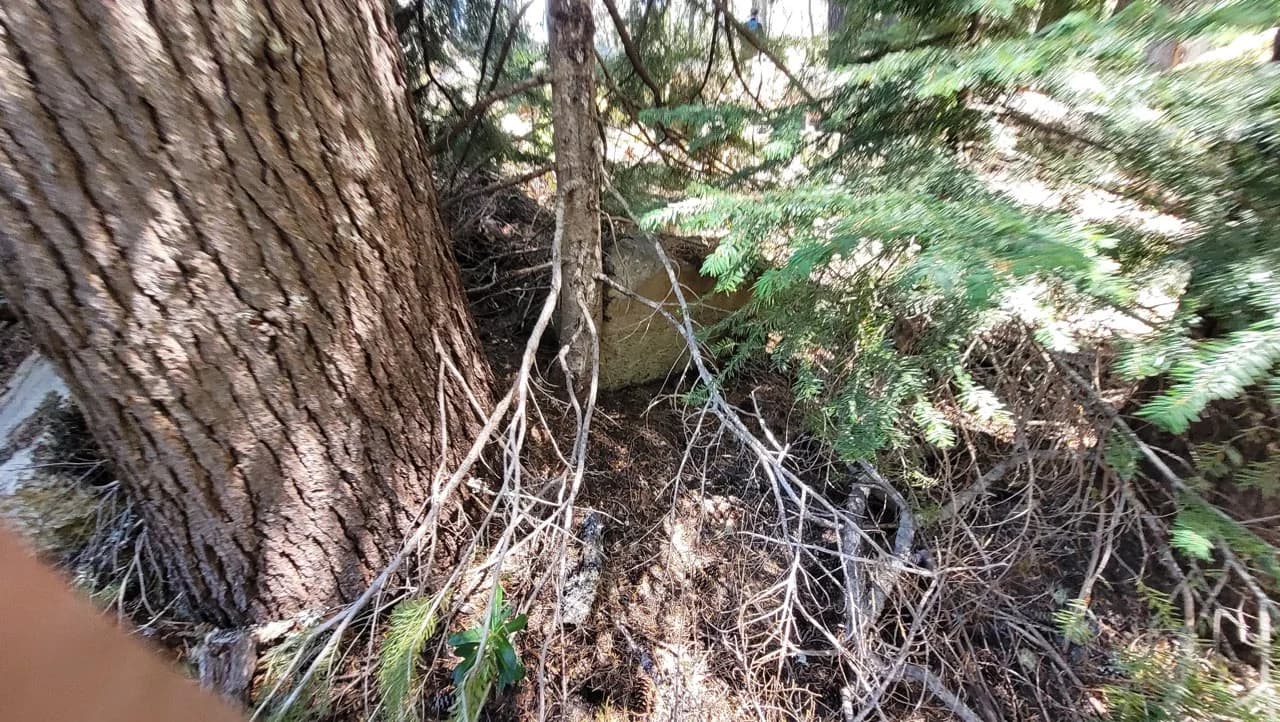
Two nearby cabins, older framing, square nails, canvas fragments, and reclaimed mine workings suggest a site used and rebuilt across generations.
Lost Cabin Mine
Articles
Historical research, treasure hunting, outdoor knowledge, practical regret-prevention advice, and the occasional rabbit hole that somehow started with one simple question.
Two nearby cabins, older framing, square nails, canvas fragments, and reclaimed mine workings suggest a site used and rebuilt across generations.

The final chapter presents the author's historical conclusion, bringing together the earliest Lost Cabin accounts, the mining history of Althouse Creek, and the evidence examined throughout the investigation while clearly distinguishing documented history from historical interpretation.

After comparing the historical accounts with Southern Oregon's mining history, one landscape consistently explains more of the evidence than any other. Part XIV examines why the Illinois Valley and Althouse Creek provide the strongest historical fit while acknowledging what remains uncertain.

The stories have been gathered. Now Part XIII weighs the evidence and asks whether the surviving accounts point toward one larger historical picture.

What if the Lost Cabin was never truly hidden? Part XII explores how an ordinary miner's cabin may have survived long enough to be seen, reused, or forgotten without anyone recognizing its place in the legend.

Althouse Creek produced extraordinary placer gold, yet miners believed part of its wealth was missing. William Mackey’s account of the lost lead raises a possibility that may connect the district’s mining history with Oregon’s Lost Cabin Mine.

Althouse Creek became famous for rich placer gold, but generations of miners believed an even greater source remained hidden in the surrounding mountains. Their search became part of Southern Oregon's mining history.

After comparing the earliest Lost Cabin accounts, the investigation turns toward the Illinois Valley, where Southern Oregon's mining history begins providing a setting that closely matches the surviving traditions.

The earliest Lost Cabin Mine accounts tell different stories, yet they share striking similarities. Part VIII begins comparing those traditions before following the investigation into Southern Oregon's historic mining districts.

A chance encounter with a grizzly bear led to one of the most remarkable mining discoveries of the Gold Rush. Its similarities to Oregon's Lost Cabin Mine deserve careful comparison, even if they do not yet provide a conclusion.

A mysterious miner, a brush cabin, rich gold quartz, and a lost ledge carried the Siskiyou mining tradition into print. Its similarities to Oregon’s Lost Cabin Mine invite comparison, but not certainty.

In 1853, Isaac Skeeters and John Wesley Hillman followed a California party searching for the Lost Cabin Mine. Their route led them far off course and unexpectedly to Crater Lake.